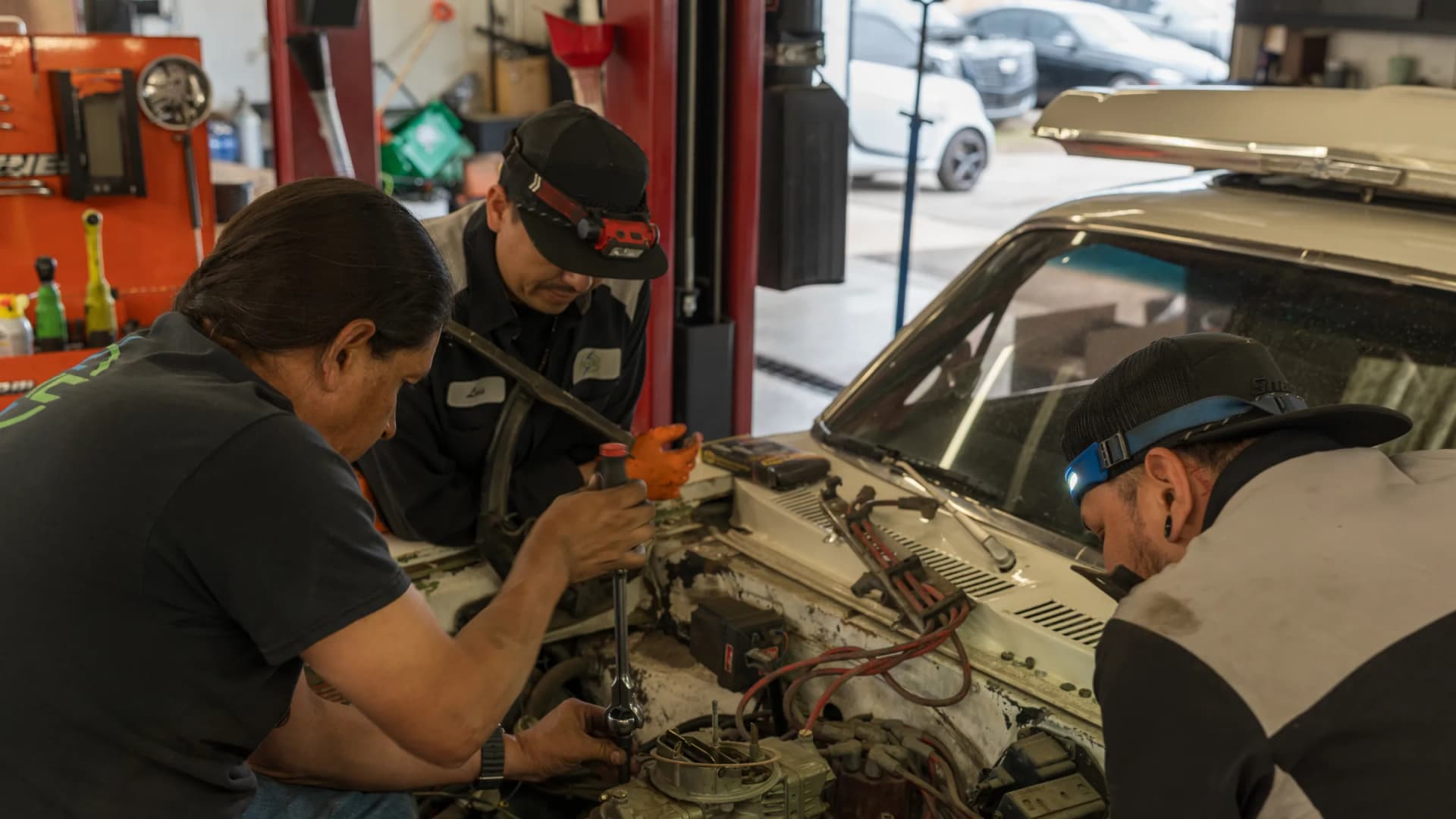
Valvetrain and camshaft repair at RKC Automotive in Englewood, CO

Valvetrain · Englewood, CO

Camshaft Replacement & Hydraulic Lifter Repair in Englewood, CO

Eliminate engine ticking, localized misfires, and valvetrain metal wear before it destroys your block. Expert diagnostics and full cam-and-lifter restoration for HEMI, GM AFM/DFM, and high-mileage overhead-valve engines — with approval before we order parts.

$120/hr

posted labor rate

ASE

certified techs

Written

estimates first

Evans Ave

Englewood shop

Valvetrain warning — do not ignore

That tick isn't going away on its own

A rhythmic tick from the valve cover is one of the most searched engine noises in Colorado — and the most commonly misdiagnosed. Additives, thicker oil, and “just turn up the radio” do not restore cam lobe lift or replace collapsed lifters. Every mile with a persistent tick sends metal through oil galleries and into main bearings you cannot see without teardown. If the tick stays at operating temperature, accompanies a misfire, or worsens under load — schedule engine diagnostics in Englewood before the repair scope jumps from cam-and-lifter to a full engine rebuild.

Valve train

The infamous engine tick explained

Hydraulic lifters rely on oil pressure to maintain zero lash. When they bleed down, seize, or collapse permanently, the cam lobe takes the punishment — and the failure mode depends on your engine family. We diagnose before quoting; these are the patterns we see daily in the Denver metro.

Pattern 1

HEMI lifter tick

5.7L / 6.4L Mopar — Ram, Charger, Challenger, Grand Cherokee

The HEMI lifter tick is practically a meme in Mopar circles for a reason. Roller lifters collapse or seize, the follower hammers a flat spot into the cam lobe, and you lose lift on that cylinder. The tick may fade briefly at cold start then return at operating temperature — or stay constant once lobe damage is severe. Scan data shows misfire counts climbing on the affected cylinder. Partial lifter replacement without cam inspection is how shops create repeat customers. When lobes are scored, the cam assembly and full lifter set go in together — every time.
Pattern 2

GM AFM / DFM collapse

5.3L, 6.2L V8 — Silverado, Sierra, Tahoe, Yukon, Escalade

Active Fuel Management and Dynamic Fuel Management disable cylinders under light load by collapsing lifters via oil-pressure solenoids. Stuck solenoids, deferred oil changes, and low-tension valve springs accelerate lifter collapse and cam wear — often on cylinders 1, 4, 6, or 7 depending on engine family. Denver metro truck owners frequently arrive with P0300 random misfire codes and a tick that started as occasional cold-start noise. AFM hardware turns a fuel-economy feature into a valvetrain failure mode when maintenance slips or solenoids stick open.

Pattern 3

General hydraulic lifter bleed-down

Pushrod V6/V8, high-mileage imports — any OHV with hydraulic lash adjusters

Hydraulic lifters maintain zero lash by trapping oil under a plunger. Overnight bleed-down produces a cold-start tick that fades as oil pressure builds — normal on some engines for seconds, abnormal when it persists or returns at hot idle. When bleed-down becomes permanent collapse, the tick stays and the cam lobe takes repeated impact loading. High-mileage commuters from Englewood to downtown Denver often ignore the tick until a misfire code appears. By then, filter debris analysis may already show metallic material heading toward main bearings.

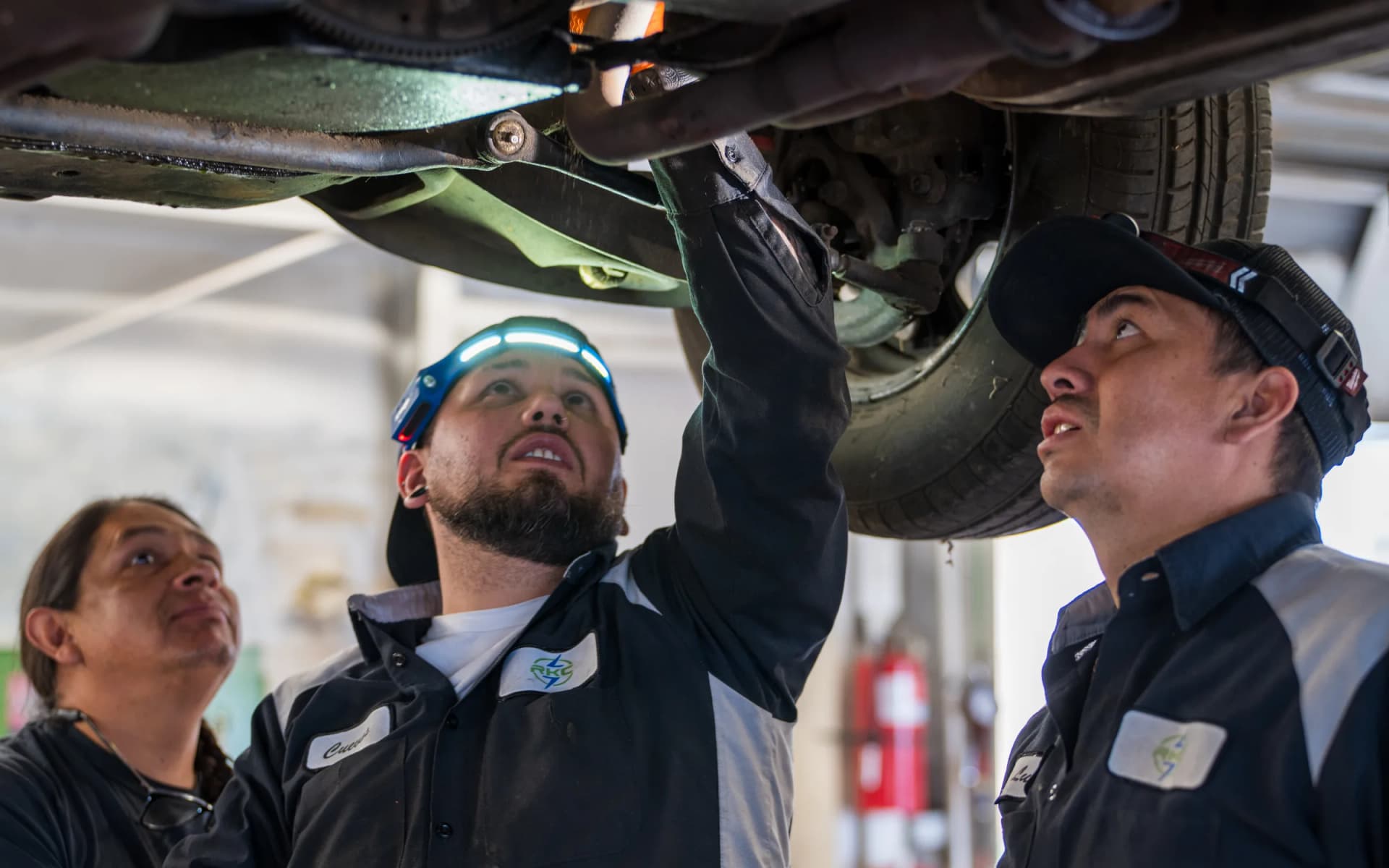
Technicians diagnosing valvetrain issues at RKC Automotive Englewood CO

Diagnostics first

The diagnostic strategy

We do not swap a cam because the internet said so. Physical measurement, borescope inspection, and filter debris analysis build the evidence chain before you approve valvetrain work — saving Englewood and Denver metro drivers from paying for a top-end job when the real issue is a sticking VVT solenoid, collapsed AFM tower, or a single bad injector masquerading as valvetrain noise.

01

Valvetrain clearance measurement

Where the engine design allows, we measure intake and exhaust side clearance against factory spec. Out-of-spec readings on one cylinder point to collapsed lifters or worn lobes before we pull the intake or valve covers for visual confirmation. Clearance data also rules out misdiagnosed exhaust leaks and injector tick that sound similar from the driver seat.

02

Borescope lobe inspection

A borescope through the spark-plug hole — or oil-cap opening on overhead-cam layouts — lets us inspect lobe shape and follower wear without committing to full teardown first. Flat spots, blue discoloration from hammering, and chipped lobes show up on camera before you approve cam replacement. We save images when findings support the repair recommendation.

03

Oil filter debris analysis

Metallic glitter or bronze-colored material in the filter media means the valvetrain is already shedding material downstream. We correlate filter findings with compression tests, leak-down results, and scan-tool misfire counts. That combination tells us whether top-end work is sufficient or if wear has migrated to bearings that require short-block inspection.

Full restoration

Complete valvetrain component restoration

When the cam is worn, partial repair is false economy. We replace the full cam assembly with a quality unit matched to your VIN, install a matched lifter set, inspect every supporting component, and flush oil galleries before buttoning up — so the tick does not come back in six months with metal in the filter.

Overhead-valve and cam-in-block layouts differ in labor hours, but the principle is identical: contaminated oil galleries, worn followers, and fatigued springs all have to be addressed in the same service window. Reusing one good-looking lifter from a set that already collapsed guarantees uneven lash and a comeback visit. RKC quotes the complete valvetrain scope up front at our Evans Ave shop so Englewood, Denver, and south-metro drivers know exactly what goes back in the engine before we order parts.

Cam & lifters

  • Complete cam assembly matched to VIN and engine family
  • Full lifter set — never reuse collapsed units
  • Lifter bores cleaned and inspected for scoring

Supporting hardware

  • Pushrods inspected for straightness and end-cup wear
  • Valve springs checked for tension, height, and coil bind
  • Rocker arms and trunnion bearings where applicable

Sealing & cleanup

  • Valve stem seals replaced while heads are accessible
  • Timing cover and front crank seal as needed
  • Oil gallery flush to remove debris from the failure

Verification

  • Compression and leak-down after assembly
  • Oil pressure check at hot idle before return
  • Road test and misfire count verification on scan tool

GM trucks

AFM / DFM delete — context, not pressure

After repeated AFM-related lifter failures, some Silverado and Sierra owners ask about disabling cylinder deactivation entirely. We explain both paths honestly — stock replacement vs. AFM delete — so you decide based on how you use the truck, not a sales pitch.

Stock AFM replacement

Non-delete cam and lifter kit restores factory fuel-economy behavior and emissions calibration. Best when you want OEM driveability, plan to keep factory tuning, and the failure is a first occurrence with otherwise clean oil history. Labor follows published book time for cam-in-block replacement at our posted $120/hr rate.

  • Maintains factory AFM operation
  • No tune or emissions recalibration required
  • Lower parts cost than full delete kit

AFM delete kit

Delete kits use non-AFM lifters, a non-AFM cam profile, and hardware that disables cylinder deactivation solenoids. All cylinders fire all the time — eliminating the AFM failure mode but changing fuel economy and requiring appropriate engine calibration. We discuss emissions implications and your use case (daily commuter vs. tow rig) before quoting delete work.

  • Removes AFM/DFM hardware failure mode
  • Popular on high-mileage tow trucks
  • ! Requires tune/calibration consideration

$120/hr

Written approval before cam & lifter work

Valvetrain repair labor is billed at our posted $120/hr using published book times for cam-in-block and overhead-cam layouts. You receive a written estimate with parts and labor separated — and we do not order cam kits or open the engine until you approve scope. Whether you drive a ticking 5.7 HEMI or a Silverado with AFM misfires, diagnosis and repair happen under one roof on Evans Ave.

Written estimates

Cam, lifters, and supporting parts quoted before ordering.

Evidence-based scope

Borescope and filter findings documented in the estimate.

No surprise teardown

Approval required before valve covers come off for repair.

FAQ

Cam & lifter questions

HEMI tick vs. AFM misfire, delete kits, driving with a tick, and when top-end work beats a full rebuild.

Service area

camshaft and lifter repair serving Englewood & Denver metro

RKC Automotive at 2120 W Evans Ave, Englewood, CO 80110 provides camshaft and lifter repair for drivers across the south Denver metro. We welcome customers from Englewood, Denver, Littleton, Lakewood, Centennial, and Aurora. View all 20 cities we serve.

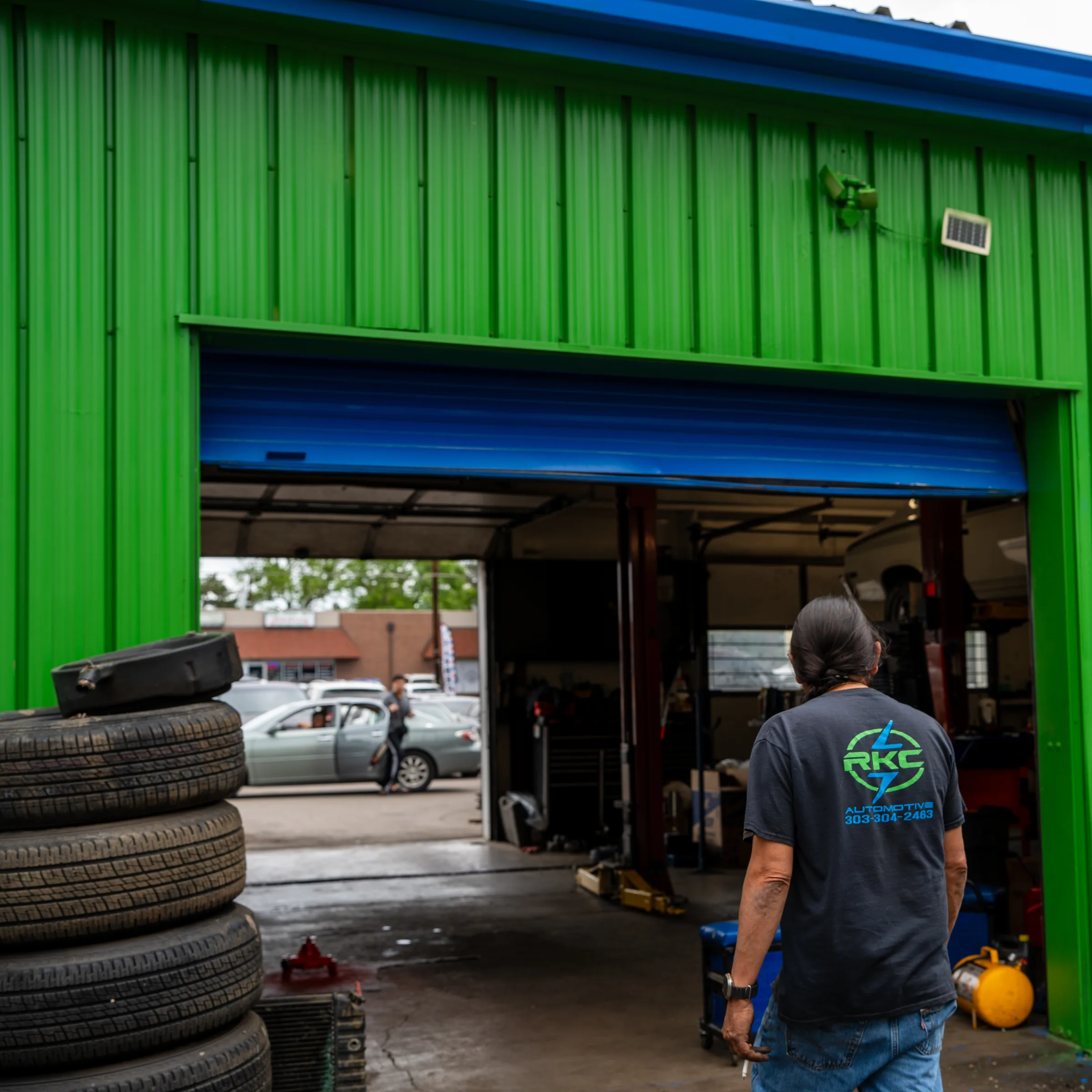
RKC Automotive shop exterior in Englewood Colorado — camshaft and lifter repair

Stop the tick

Schedule valvetrain diagnostics today

Bring your vehicle to 2120 W Evans Ave, Englewood, CO 80110. We diagnose before recommending cam replacement — and we will not start work until you approve a written estimate at $120/hr labor plus parts.

2120 W Evans Ave, Englewood, CO 80110Get directions